Picking out the right Lift Cylinderfor your specific needs? Yeah, it can be kinda tricky. I mean, with the global hydraulic Lift Cylinder market expected to hit about $3.68 billion by 2026, it’s pretty clear that understanding what to look for is super important. A survey from the International Fluid Power Society even shows that more than 70% of companies run into issues simply because they didn’t choose the right cylinder in the first place. That just goes to show, doing your homework really matters.
Big players like Parker Hannifin and Bosch Rexroth have some great insights on this. Their reports highlight that things like choosing the right materials, rod coatings, and seals can really boost performance and make your cylinders last longer. But I get it—when you’re new to this stuff, all those choices can feel a little overwhelming. A lot of companies slip up by not considering their operational environment or the specific loads they’re dealing with, which often leads to performance issues.
And don’t forget about maintenance. Industry data shows that a lot of lift cylinder failures happen because upkeep was neglected. Knowing the ins and outs of your lifting application can actually save you a ton of headaches (and money, too). Trusted suppliers are helpful—they can steer you in the right direction—but it’s always smart to question the assumptions behind your decisions. When it comes to lift cylinders, paying attention to the small details isn’t just a good idea; it’s downright necessary.
Understanding Lift Cylinders: Types and Functions
Understanding lift cylinders is crucial for any industry relying on heavy lifting. Lift cylinders are hydraulic components that use fluid pressure to generate linear motion. They come in various types, including single-acting and double-acting cylinders. Each type serves specific purposes, depending on the application and the load required.
Recent industry reports indicate that the global Hydraulic Cylinders market is expected to reach$12 billion by 2026, showcasing the growing demand for these essential components. Choosing the right lift cylinder means understanding factors like load capacity, stroke length, and mounting options. A well-suited Lift Oil Cylinder can ensure safety and efficiency in operations, critical for minimizing downtime.
Tips: Always consider the weight of the heaviest load you expect to lift. Overestimating can lead to accidents. Testing the lift cylinder before full-scale operational use is another essential step. Verify the cylinder's performance under real conditions. Listening to user feedback can provide insights into reliability and potential issues, which may be overlooked initially.
Key Factors to Consider When Choosing a Lift Cylinder
When selecting a lift cylinder, various factors play a crucial role. The size of your equipment matters. Different lift cylinders, like Truck Lift Cylinder, come in varying dimensions. Ensuring the cylinder fits your specific application is vital for safety and effectiveness. According to industry reports, improper sizing contributes to 20% of mechanical failures in lifting equipment.
Material selection is another key factor. Various materials, such as steel and aluminum, offer different strengths and weights. Steel cylinders are durable but heavier. In contrast, aluminum models provide excellent weight savings, which enhances mobility. Choosing the right material can significantly affect your lift's efficiency and operations.
Tip: Always consult load ratings in your choice process. Overlooking these can lead to unsafe lifting practices.
Hydraulic systems require proper maintenance to ensure longevity. Regular inspections prevent leaks and operational failures. Research shows that routine maintenance can extend cylinder life by 30%.
Tip: Document any performance issues immediately. Addressing problems early can save costs later.
Keep workspace conditions in mind too. High temperatures or corrosive environments can impact cylinder performance. Use protective coatings for added durability, especially for outdoor applications. This attention to detail enhances reliability and operational lifespan.
Assessing Load Capacity Requirements for Your Application
When selecting a lift cylinder, one must prioritize load capacity. Understanding the weight your application will lift is pivotal. Each industry has unique requirements. For instance, construction may require higher capacity than manufacturing tasks. If the load exceeds capacity, it can lead to malfunction or unsafe conditions.
Evaluate your specific needs carefully. Consider both static and dynamic loads. A static load is the weight held at rest. A dynamic load is when the lift cylinder is in motion. If your application involves lifting materials frequently, you may need a robust cylinder. If not, a standard option may suffice. Don't forget to assess environmental factors too. High temperatures or corrosion can alter performance.
Occasionally, users overlook maintenance. Regular Lift Cylinder Repair is crucial. Neglecting this can lead to capacity issues over time. Ensure the lift cylinder is compatible with your equipment. Mismatched components can reduce efficiency and safety. By prioritizing load capacity and thoughtful evaluation, you make an informed decision.
Evaluating Stroke Length and Size Specifications
When selecting a lift cylinder, stroke length and size are critical factors. The stroke length determines how much extension you need. A longer stroke may fit your requirements better if you're lifting heavy loads or engaging in applications that require a significant range of movement. Conversely, for smaller applications, a shorter stroke could suffice. Always measure the space where you intend to install the cylinder.
It's also essential to consider cylinder diameter. A larger diameter can handle heavier loads but may require more space. Consider how the cylinder will fit into your existing systems. You might face challenges with space constraints or unintended movements. Understanding the relationship between stroke length and cylinder size helps avoid these pitfalls.
Tips: Ensure that you calculate the required force accurately. Testing smaller models before a full purchase can reveal unexpected issues. Review local regulations that could affect the cylinder's performance or installation. These considerations enhance reliability and safety in your operations.
Material Selection for Durability and Performance
When selecting a lift cylinder, material choice is key. Durable materials enhance performance and prolong the lifespan of your equipment. Common options include steel and aluminum, each with its unique advantages. Steel offers high strength, making it ideal for heavy-duty applications. Aluminum, on the other hand, is lightweight and resistant to corrosion. According to a recent industry report, 70% of lift failures are linked to material fatigue.
In choosing between materials, consider the environment. Exposure to harsh conditions can accelerate wear. For instance, stainless steel can withstand corrosive elements better than standard steel. Understanding the specific demands of your application is essential. Both performance and durability weigh heavily in your decision-making process.
Tips: Always assess the operating conditions. Evaluate the load requirements. Keep in mind that some materials may need coatings for added protection. Investing in the right material can save money on repairs.
Make sure to review the standards and regulations for lift cylinders. Compliance ensures safety and reliability. Neglecting material selection may lead to operational inefficiencies. The right cylinder enhances not just performance but also workplace safety.
Hydraulic vs. Pneumatic Lift Cylinders: Pros and Cons
When selecting between hydraulic and pneumatic lift cylinders, understanding their pros and cons is crucial. Hydraulic lift cylinders use fluids under pressure to create force. They are powerful and efficient, often handling heavy loads. Reports indicate that hydraulic systems can generate pressures exceeding 3,000 PSI, making them ideal for construction and industrial applications. However, they require a complex setup with potential leakage risks.
On the other hand, pneumatic lift cylinders operate using compressed air. They are lightweight and simpler to maintain. Data shows that these systems work well for lighter loads, commonly seen in automated production lines. Pneumatics can operate at pressures around 100 PSI to 150 PSI. Nevertheless, they may not achieve the same power level as hydraulics. Their performance can also be affected by temperature changes.
Tip: Assess your load requirements carefully. If you need higher power, hydraulic might be the way to go. Consider the environment too; in dusty areas, pneumatic systems can be more suitable. Always evaluate the operational costs and maintenance needs of either system.
Budgeting for Your Lift Cylinder Purchase and Maintenance
When budgeting for a lift cylinder purchase, consider both initial costs and ongoing expenses. Hydraulic Cylinder Lifts can vary widely in price based on capacity and features. Take the time to research various options tailored to your specific needs. Some users overlook maintenance costs, which can add up significantly over time. Regular inspections help to avoid costly repairs down the line.
It’s essential to allocate funds for maintenance and service. Quality Hydraulic Cylinder Lifts may require specific care to ensure longevity. Consider setting aside a percentage of your budget for these unexpected expenses. Not all lifts will perform well under heavy use; some users fail to evaluate this before purchasing. Ensure you can cover both the purchase price and its upkeep without straining your budget.
As you assess your options, reflect on the long-term value. Cheap alternatives might seem appealing initially but can become a financial burden later. The reliability of The Hydraulic Cylinder lift depends on several factors, including the maintenance plan. Investing wisely from the start can alleviate future concerns regarding performance and safety.
Analyzing the Impact of Hydraulic Cabin Cylinders on Volvo Equipment Performance: Insights from Industry Data Reports
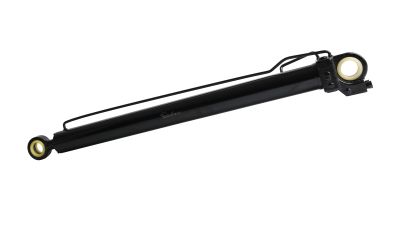
The hydraulic cabin cylinders play a crucial role in enhancing the maintenance efficiency of trucks, particularly in lifting the cab to provide easy access to the underside. Their design incorporates advanced sealing materials which ensure a reliable and stable performance, minimizing maintenance disruptions that could hinder operational productivity. A robust sealing and dustproof structure contributes to prolonging the lifespan of these components, making them essential for sustained equipment performance.
Safety is paramount in the operation of hydraulic lifting cylinders, and the innovative hydraulically controlled one-way valve structure accommodates this need. This design prevents accidental descent during maintenance tasks, offering peace of mind to operators who rely on these systems for daily operations. Moreover, rigorous testing, which surpasses 60 million cycles, confirms the cylinder's stability, reflecting confidence in its reliability even in demanding scenarios.
Versatility is another key feature of these hydraulic cylinders, which are designed to meet the diverse needs of multiple industries. The competitive edge they possess makes them particularly sought after in various markets, where their quick-connect joint further enhances usability and efficiency. This adaptability ensures that operators can depend on reliable lifting mechanisms in an array of working environments, underlining the significant impact these hydraulic cabin cylinders have on overall equipment performance.
FAQS
: Common materials include steel and aluminum. Steel is strong, while aluminum is lightweight and corrosion-resistant.
Harsh conditions can accelerate wear. Stainless steel resists corrosion better than standard steel in tough environments.
Hydraulic lift cylinders are powerful and can handle heavy loads. They operate at high pressures, ideal for industrial work.
Pneumatic cylinders are less powerful and depend on compressed air. Temperature changes can also impact their performance.
Users often overlook maintenance costs. Regular inspections are necessary to avoid expensive repairs over time.
Choosing durable materials enhances performance and prolongs equipment life. Neglect can lead to failures.
Understanding load needs helps in choosing the right type of cylinder. Misjudging this can lead to poor performance.
Compliance with standards ensures safety and efficiency. Neglecting this can lead to operational issues.
Yes, cheap options may seem appealing but can result in high maintenance costs later, affecting long-term value.
Quality care ensures longevity. A solid maintenance plan prevents future performance issues and safety risks.
Conclusion
Choosing the right lift cylinder for your needs involves a comprehensive understanding of their types and functions. Key factors include assessing the load capacity required for your specific application, as well as evaluating stroke length and size specifications. Material selection plays a crucial role in ensuring durability and performance, as different environments may demand varying levels of resistance to wear and corrosion.
Additionally, it's important to weigh the pros and cons of hydraulic versus pneumatic lift cylinders, as each offers distinct advantages depending on the operational context. Budgeting for both the purchase and maintenance of the lift cylinder is also essential, as it impacts the long-term efficiency and functionality of your equipment. By considering these aspects, you can make an informed decision that best meets your operational needs.