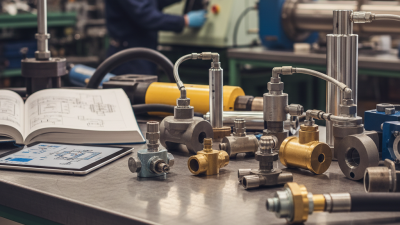
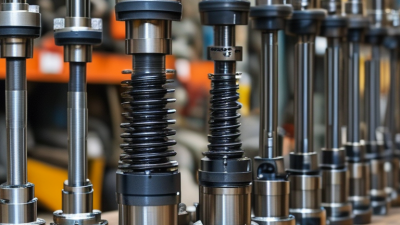
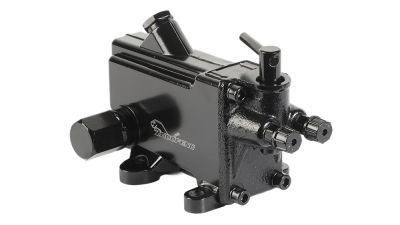
Hey, when it comes to the fluid power industry, getting a handle on Hydraulic Parts is pretty essential. Dr. John Thompson from Hydraulic Solutions Inc. always stresses that, ‘Quality Hydraulic Parts are the secret to keeping machinery running smoothly and lasting longer.’ As industries shift and grow, so does the demand for dependable, high-performance hydraulic components—it's not just a nice-to-have anymore.
A lot of folks tend to overlook some pretty important features of Hydraulic Parts, which can end up costing them big time with unexpected downtime. It’s really crucial to understand the different standards and specs out there—because not all parts are created equal. Paying attention to things like the quality of the materials and how durable they are can make all the difference in the long run.
The market for Hydraulic Parts is pretty huge, with tons of suppliers vying for your attention—it can feel kind of overwhelming. Sometimes, buyers rush into making decisions, only to end up regretting it later. That’s why it’s so important to take your time, think things through, and if you’re unsure, don’t hesitate to ask an expert. A little research and guidance can seriously up your game—leading to better machinery performance and fewer headaches down the road.
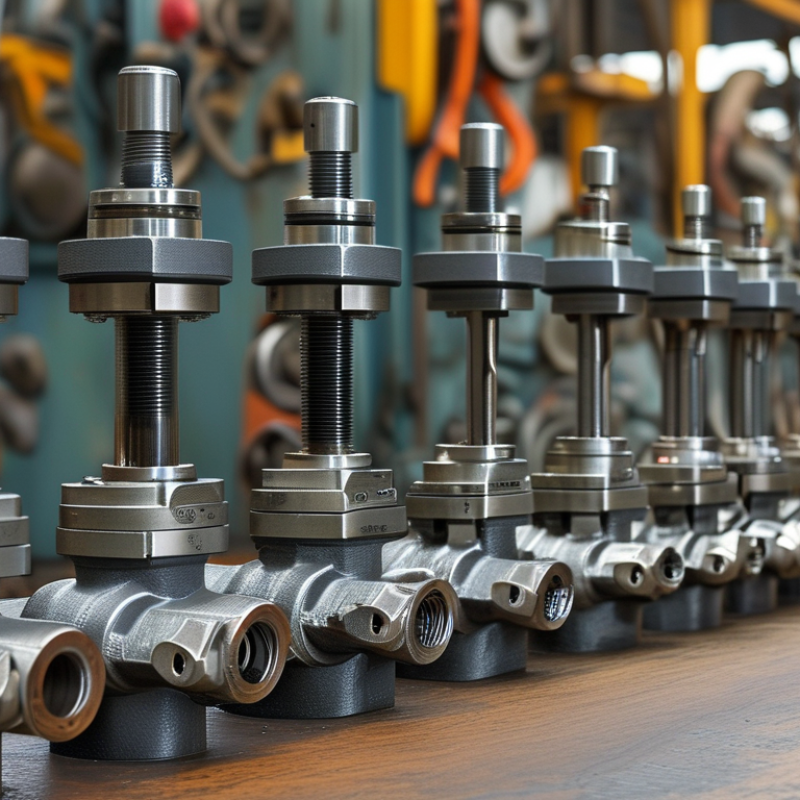
Vital Components of Hydraulic Systems for Buyers
Hydraulic systems are essential in numerous industrial applications. Understanding their critical components can enhance operational efficiency. Hydraulic Pumps, for instance, convert mechanical energy into hydraulic energy. According to the International Fluid Power Society, improper pump selection can lead to efficiency losses of up to 20%. Selecting the right hydraulic pump is crucial for optimal performance.
Hydraulic Cylinders play a significant role as well. They convert hydraulic energy back into mechanical energy. A study by the National Fluid Power Association found thathydraulic cylinders accounted for over 45% of system component failures. Therefore, regular maintenance and inspection are vital. The right hydraulic cylinder can improve system reliability and reduce costly downtime. Furthermore, replacing hydraulic hoses and fittings regularly is crucial, as worn hoses can lead to leaks, which waste resources and create safety hazards.
Filtration systems are often overlooked but are equally important. They maintain fluid quality, preventing damage to critical components. Reports indicate that up to 80% of hydraulic system failures are due to contamination. It's essential to invest in high-quality filters and perform routine checks. Buyers must understand these parts, as their effectiveness directly affects the integrity of the entire hydraulic system. Choosing reliable parts for hydraulic systems, akin to selecting quality auto parts, ensures long-term success in operations.
Understanding Hydraulic Pumps: Types and Applications
Hydraulic pumps play a critical role in various industrial applications. Understanding their types and applications is essential for effective operation. There are primarily three types of hydraulic pumps: gear pumps, vane pumps, and piston pumps.
Gear pumps are known for their simplicity and efficiency in low-pressure applications. They offer a steady flow, making them suitable for hydraulic systems in various machinery.
Vane pumps, on the other hand, are versatile. They can handle a wider range of pressures and flow rates. These pumps are often found in mobile equipment and industrial systems.
Piston pumps are the most high-performance option. They excel in high-pressure environments and are popular in heavy-duty machinery. However, they require more maintenance.
Using the wrong type of pump can lead to inefficiencies and failures.
Selecting the right hydraulic pump involves understanding the specific demands of your application. Factors like pressure, flow rate, and fluid viscosity must be considered.
Many buyers make mistakes by focusing solely on price. It's crucial to assess reliability and efficiency as well.
An informed decision improves overall performance and reduces long-term costs. Investing time in understanding hydraulic pumps pays off in maintenance savings and better machinery operation. The Role of Hydraulic Cylinders in Machinery Performance
Hydraulic cylinders are crucial components in various machinery. They convert hydraulic energy into mechanical force. This function allows them to perform heavy lifting tasks efficiently. Their design consists of a cylinder barrel, piston, and end caps. Each part plays a role in ensuring optimal performance.
The efficiency of hydraulic cylinders significantly impacts machinery operation. Poorly maintained cylinders can lead to leaks and reduced strength. Regular inspection and maintenance are essential to keep them working effectively. Operators should understand load limits and avoid overexerting the cylinders. Over time, wear and tear may degrade cylinder performance.
Understanding hydraulic cylinders fosters better machinery handling. Operators should recognize the signs of malfunction. Listen for unusual sounds during operation. Observing performance changes can prevent costly downtime. Investing time in learning about these components can enhance overall productivity. It’s vital to keep safety at the forefront of machinery operations.
Key Factors in Selecting Hydraulic Valves for Your Needs
When selecting hydraulic valves, several key factors come into play. Understand your system's pressure and flow requirements. This ensures optimal performance and longevity. A valve must be rated for the specific application. Mismatches can lead to inefficiencies and potential failures.
Tips: Always inspect the compatibility of materials. Different hydraulic fluids can affect valve performance. Make sure seals and components match your fluid type. Also, consider the environment. Temperature variations can impact the valve's lifespan.
Another important aspect is the response time of the hydraulic valves. Delays can disrupt operations and lead to costly issues. Be aware of the installation process as well. A poorly installed valve can create leaks and diminish efficiency. Regular maintenance is crucial in this regard.
Tips: Document your maintenance schedule. Recognize the signs of wear early. This prevents more significant problems down the line. Ultimately, selecting the right Hydraulic Parts is a balance of performance, durability, and cost-effectiveness.
Importance of Hydraulic Hoses: Selection and Maintenance Tips
Hydraulic hoses play a crucial role in the performance of hydraulic systems. They transfer fluid under pressure, ensuring the efficient operation of machinery. Choosing the right hose is essential for safety and durability. Different applications require specific types of hoses. Factors such as pressure rating, temperature resistance, and compatibility with fluids must be considered.
Maintaining hydraulic hoses is equally important. Regular inspections help identify signs of wear and potential failures. Look for cracks, bulges, or leaks. These issues can lead to severe accidents and downtime. Using proper installation techniques enhances the hose's lifespan. Avoid sharp bends and twisting, as they create stress points.
Understanding these aspects can prevent costly mistakes. Hydraulic systems are complex, and even small oversights can have significant consequences. It’s crucial to stay informed about best practices in hose selection and maintenance. Ongoing education in this area can empower buyers and users alike.
Exploring Hydraulic Filters: Ensuring System Longevity
Hydraulic filters play a crucial role in ensuring the longevity of hydraulic systems. They remove contaminants from hydraulic fluids that can damage components, such as Hydraulic Pump Parts. According to industry statistics, up to 80% of hydraulic failures stem from contaminated fluid. Regularly monitoring and replacing filters can significantly reduce downtime and repair costs.
Proper filtration not only protects components but also enhances overall system efficiency. A study by the International Fluid Power Society suggests that investing in quality filtration can improve energy efficiency by 10%. A clean hydraulic system operates smoother and minimizes wear and tear, prolonging equipment life.
Tip: Always select filters that match system specifications. Mismatched filters can lead to inadequate filtration and increased particle counts. Additionally, consider implementing a filter maintenance schedule based on environmental conditions. Adapting to conditions can optimize performance and reflect a commitment to reliability.
Regular inspection and maintenance are essential. Even with the best components, neglecting filters can lead to costly repairs. Make sure you train your team on filter replacement practices. This knowledge fosters a culture of care and attentiveness, crucial for long-term system health.
Essential Accessories for Hydraulic Systems: What to Consider
When selecting hydraulic system accessories, understanding the essential parts is crucial. Hydraulic Pumps Parts are the backbone of any hydraulic system. They convert mechanical energy into hydraulic energy, driving the entire system's functionality. Focusing on the right pumps can enhance efficiency and overall performance.
Another key consideration is compatibility. Each hydraulic part must work seamlessly with others. Choosing parts that are compatible reduces the risk of leaks and failures. It’s vital to carefully examine the specifications of each component without overlooking the smallest details. Many buyers tend to prioritize price over quality, often regretting this decision later on.
Quality assurance is another essential aspect. A reliable supplier should provide documentation regarding the parts' certifications and testing. There is a balance between cost and reliability that often requires reflection. While cheaper options may seem appealing, they can lead to more significant issues down the line. Invest time in understanding these critical elements to ensure a successful hydraulic system.
Top 10 Hydraulic Parts Buyers Need to Know About
Optimizing Hydraulic Cabin Pump Performance: An Analysis of Models 0015539901, 0015531401, and Their Impact on BENZ Vehicle Efficiency
Optimizing hydraulic cabin pump performance is crucial for enhancing the efficiency of commercial vehicles, particularly in lift systems. Models such as 0015539901 and 0015531401 have been extensively analyzed due to their essential role in Mercedes-Benz trucks, where they are typically mounted at the bottom of the cab. These hydraulic pumps are integral components that work alongside lift cylinders to create a robust system capable of supporting substantial weight and ensuring vehicle stability.
Recent industry reports highlight that the efficiency of hydraulic cabin pumps significantly affects fuel consumption and overall vehicle performance. For instance, it has been observed that optimizing the pump's hydraulic fluid management can lead to a reduction in energy losses by up to 15%. This enhancement not only contributes to lower operational costs but also aligns with sustainability goals within the transportation sector. Engineers are increasingly focusing on the design parameters of models like 0015539901 and 0015531401 to improve their reliability and responsiveness, which are critical factors in ensuring vehicle efficiency.
Furthermore, advancements in pump technology have allowed manufacturers to develop systems that minimize hydraulic fluid turbulence, thus enhancing consistency in lift actions. By employing high-precision manufacturing techniques and incorporating advanced materials, the longevity and performance of hydraulic cabin pumps can be significantly improved. The continuous analysis of these models should be prioritized in engineering discussions, with ongoing investments in research to further elevate their contribution to vehicle efficiency and operational performance in the commercial vehicle industry.
FAQS
: The main types are gear pumps, vane pumps, and piston pumps. Each has unique applications.
Gear pumps provide a steady flow. They are simple and efficient for low-pressure applications.
Vane pumps handle various pressures and flow rates. They are suitable for mobile and industrial systems.
Piston pumps excel in high-pressure environments. They are commonly used in heavy-duty machinery.
Consider pressure, flow rate, and fluid viscosity. Avoid focusing only on price.
Filters remove contaminants from fluids, preventing damage. Regular maintenance can reduce downtime significantly.
Quality filtration can improve energy efficiency by up to 10%. This optimizes overall system performance.
Regular filter maintenance prevents costly repairs. Neglecting filters can lead to system failures.
Mismatched filters can cause inadequate filtration. This leads to increased particle counts and problems.
Train your team on proper filter replacement. Knowledge fosters a culture of care in maintenance.
Conclusion
In understanding hydraulic systems, buyers must be aware of key hydraulic parts that play crucial roles in machinery performance. Vital components include hydraulic pumps, which come in various types and applications, ensuring efficient fluid movement. Hydraulic cylinders are equally essential, converting hydraulic energy into mechanical motion, thus significantly impacting overall machinery functionality.
Selecting the right hydraulic valves is critical to meet specific operational needs, while the importance of proper hydraulic hoses cannot be understated, as they require careful selection and maintenance to prevent leaks and failures. Furthermore, incorporating high-quality hydraulic filters is crucial for system longevity, helping to maintain clean fluid circulation. Lastly, buyers should also consider essential accessories that complement hydraulic systems, ensuring optimal performance and durability. Understanding these aspects is vital for making informed decisions regarding hydraulic parts and their applications.