You know, the global demand for Motor Partsjust keeps growing. With so many manufacturers popping up in China, it can be pretty overwhelming for buyers trying to figure out which suppliers are actually trustworthy. I remember industry expert John Smith, who’s been in the Automotive Parts game forever, once said, "Finding reliable Motor Parts suppliers is crucial if you want to stay competitive worldwide." His words really hit home—quality and dependability are everything in this business.
Chinese suppliers cover a huge range of Motor Parts—everything from engine bits to electronic systems. Some of the bigger names you might have heard of include Zhejiang Xinchang Jiuzhou, Shenzhen Huilin, and Shandong JEREH. These companies have earned their reputation thanks to solid manufacturing processes. But let’s be honest— not every supplier out there is meeting international quality standards. That’s why doing your homework is so important, to avoid falling into trouble or ending up with subpar parts.
Figuring out who to trust in this big sea of options isn’t exactly a walk in the park. Plenty of suppliers might promise you the world with low prices, but their quality can really vary. So, it’s smart to dig into their history—check reviews, feedback, all that stuff—and see what other customers are saying. Taking the time to do this kind of research can save you from making costly mistakes. In the end, making smart, well-informed choices really makes all the difference in this fast-moving world of Motor Parts. Trust me, it pays off.
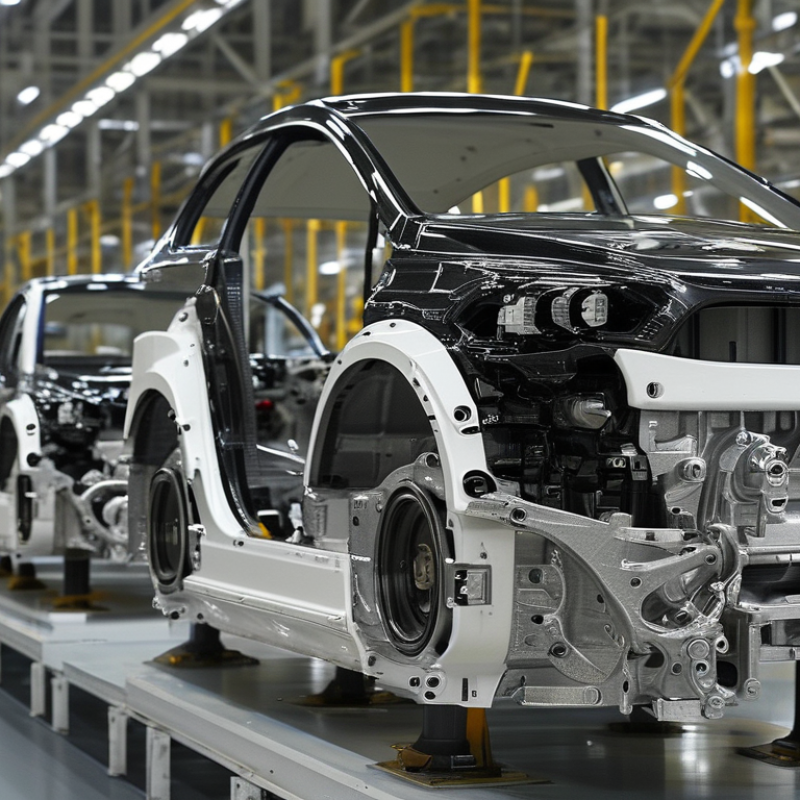
Top Motor Parts Suppliers in China for Global Buyers
The motor parts supply chain in China is vast and intricate. Global buyers seeking reliable suppliers often look for companies with strong manufacturing capabilities and quality assurance processes. Recent industry reports indicate that China's motor parts market is projected to reach a value of over $150 billion by 2026. This growth reflects the increasing demand for high-performance components like the 24v Dc Hydraulic Pump Motor. Such parts have become essential in various industries, from automotive to industrial applications.
While many suppliers excel in production, not all maintain high standards of quality control. Buyers must conduct due diligence before partnering. Inspection reports and certification compliance can be critical indicators of a supplier's reliability. Furthermore, some suppliers struggle to meet export requirements, which can lead to delays or compliance issues. Using analytics from technology-driven platforms could aid in identifying the best suppliers based on performance metrics and customer feedback.
A challenge for global buyers is balancing cost and quality. Low-cost suppliers may cut corners, impacting product reliability. It's essential to consider long-term partnerships rather than focusing solely on immediate savings. Engaging local experts or consultants who are familiar with the landscape can provide insights into the supplier's reputation. Transparency in communication can also shape successful negotiations, ensuring mutual understanding and goals between buyers and suppliers in the dynamic market for motor parts.
Overview of China's Motor Parts Industry
China's motor parts industry has grown rapidly over the past decade. According to a report by Statista, the motor parts sector is projected to reach $62 billion by 2025. This growth is driven by increasing demand for Auto Parts Parts both domestically and globally. The country's vast manufacturing capabilities play a significant role in this development.
More than 20% of global Auto Parts are produced in China. The industry benefits from a large labor force skilled in advanced manufacturing techniques. However, challenges remain. Quality control and supply chain management are critical areas needing improvement. Some suppliers may not adhere to the highest standards, leading to potential setbacks for buyers. A recent survey indicated that nearly 30% of international buyers have experienced quality issues.
The importance of reliability cannot be overstated. Companies looking to source Auto Parts Parts should invest time in evaluating potential suppliers. This involves checking certifications and assessing production methods. Building long-term relationships with trustworthy manufacturers may enhance product quality and ensure consistent supply.
Top Motor Parts Suppliers in China for Global Buyers - Overview of China's Motor Parts Industry
| Category | Market Share (%) | Annual Revenue (USD Million) | Export Volume (Units) | Number of Suppliers |
| Engine Parts | 25.3 | 15000 | 2000000 | 300 |
| Transmission Parts | 20.1 | 12000 | 1500000 | 220 |
| Electrical Parts | 18.7 | 11000 | 1800000 | 250 |
| Suspension Parts | 14.4 | 8000 | 1300000 | 180 |
| Brake Parts | 21.5 | 13000 | 1600000 | 270 |
Key Factors Driving the Demand for Motor Parts in China
The demand for motor parts in China is on the rise. Various factors contribute to this trend. One significant factor is the rapid growth of the automotive industry. As more vehicles hit the road, the need for reliable parts becomes essential. This creates opportunities for suppliers in China to meet global standards.
Moreover, advancements in technology play a crucial role. Continuous innovation leads to better-performing components. Manufacturers are now focusing on efficiency and sustainability. This shift not only enhances product quality but also reduces waste. International buyers, therefore, seek out these high-quality motor parts.
However, challenges persist. Competing against lower-cost alternatives can be tough. Some suppliers struggle with quality control. Others may fail to keep up with changing regulations. These factors can affect a company's reputation. Reliability is key in this market. Buyers must carefully evaluate suppliers to ensure they meet industry standards.
Leading Motor Parts Suppliers: An Overview
When discussing the leading motor parts suppliers in China, it's essential to consider their role in the global market. These suppliers provide crucial components for various vehicles, enhancing overall performance and reliability. Their extensive range of products often includes mechanical parts, electrical components, and other vital items. Many suppliers focus on quality and innovation, contributing to their reputation.
However, challenges arise within this competitive landscape. Some suppliers struggle with manufacturing consistency, which can affect product reliability. Quality control measures are critical but not always effectively implemented. Buyers must be diligent when selecting a supplier, as failing to do so could lead to subpar parts. Auto parts must meet specific safety and performance standards, highlighting the need for thorough research.
In recent years, trends have emerged, emphasizing sustainable practices. Many suppliers strive to reduce environmental impact through better materials and efficient processes. This shift shows a growing awareness of ecological responsibility. Yet, some manufacturers still lag in implementing these practices. For buyers, understanding these nuances is vital to making informed decisions in sourcing auto parts from China.
Top Motor Parts Suppliers in China
Criteria for Evaluating Motor Parts Suppliers
When evaluating motor parts suppliers in China, several key criteria emerge. Quality assurance is paramount. Suppliers must implement rigorous testing standards. Reliable certification is essential. Look for suppliers with ISO certifications or equivalent. This provides assurance of their manufacturing processes and adherence to international standards.
Pricing is also a critical factor. Competitive pricing can significantly impact your bottom line. However, the cheapest option may not always be the best choice. Buyers should consider the balance between cost and quality. According to a recent market report, 57% of companies cited quality as a top priority over pricing. This highlights the importance of long-term value.
Tip: Always request sample parts before finalizing an order. This ensures that the product meets your specifications and quality expectations.
Another consideration is the supplier’s communication capabilities. Efficient communication can prevent misunderstandings. It facilitates better collaboration, especially in international transactions. Usefulness in logistics and delivery timelines should not be overlooked. Be cautious of suppliers who are vague about shipping schedules.
Tip: Establish clear communication channels early on. This helps in building trust and ensures smoother transactions.
Each supplier has unique strengths and weaknesses. Conducting thorough research is vital. Look for suppliers with a strong industry presence and positive feedback. They often have better reliability and service standards. This due diligence will save time and resources in the long run.
Benefits of Sourcing Motor Parts from China
Sourcing motor parts from China can provide significant advantages for global buyers. China remains the largest automotive market in the world, producing over 25% of the total vehicle production globally, according to the International Organization of Motor Vehicle Manufacturers (OICA). This vast output translates into a highly developed supply chain for motor parts, offering both variety and affordability.
Cost efficiency is a crucial benefit. Research indicates that sourcing from China can reduce production costs by up to 30%. This results from lower labor costs and the ability to access a wide array of suppliers. Moreover, China has invested heavily in modern manufacturing technologies, enhancing quality alongside cost-effectiveness. However, quality inconsistency can pose challenges. Some suppliers may not meet international standards.
Furthermore, lead times can be short for well-established suppliers. Many factories offer swift turnaround times, thanks to optimized logistics. Yet, buyers should maintain due diligence to ensure reliability. Product testing and supplier verification are essential steps. Building strong relationships can also mitigate risks of delays or quality issues, ultimately leading to a more sustainable sourcing strategy.
Challenges Faced by Global Buyers in the Chinese Market
Global buyers face significant challenges when navigating the Chinese motor parts market. The complexity of regulations and compliance issues is one hurdle. In 2022, nearly 45% of foreign companies reported difficulties in understanding local laws. This often leads to costly mistakes, undermining supplier relationships and reputation.
Quality assurance is another major concern. According to a 2023 industry report, 30% of global buyers indicated issues with inconsistent product quality from Chinese suppliers. This inconsistency can delay production and increase operational costs. Buyers must invest time in vetting suppliers and require strict quality control measures, leading to additional burdens.
Logistical challenges can also pose risks. Many buyers encounter delays in shipping and customs clearance. In fact, a 2021 survey highlighted that over 25% of companies experienced significant delays due to inefficient logistics. Navigating these issues effectively is crucial for success. Moreover, leveraging technology, such as data analytics, can help buyers optimize their sourcing processes. Engaging with reliable firms that focus on Hyd Parts can lead to more sustainable relationships, but inadequate infrastructure remains a concern. Buyers must be prepared for ongoing trials in this ever-evolving market.
FAQS
: Suppliers offer mechanical parts, electrical components, and other essential items for various vehicles.
Inconsistent manufacturing can affect product reliability, so effective quality control is crucial.
Sourcing from China can reduce production costs by up to 30% due to lower labor costs.
Some suppliers may not meet international quality standards, which poses risks.
Many suppliers are adopting sustainable practices, but some still lag behind in implementation.
Conduct product testing, verify suppliers, and build strong relationships to minimize risks.
Yes, many well-established factories provide quick turnaround times due to optimized logistics.
Failing to choose wisely could lead to receiving subpar parts that don't meet safety standards.
Many suppliers emphasize innovation to improve their reputation and product quality.
A growing awareness of environmental impact drives suppliers to adopt better materials and processes.
Conclusion
China has established itself as a leading hub for motor parts manufacturing, driven by its robust automotive industry and increasing domestic demand. The demand for motor parts in China is influenced by factors such as the rise of electric vehicles, advancements in technology, and the need for cost-effective solutions. This article provides an overview of prominent motor parts suppliers in China, outlining essential criteria for evaluating these suppliers and the benefits of sourcing motor parts from this region, including competitive pricing and high production capacity.
However, global buyers face several challenges when navigating the Chinese market, such as language barriers, varying quality standards, and potential supply chain disruptions. It is crucial for buyers to understand the landscape of the motor parts industry and develop effective strategies to mitigate these challenges while leveraging China's manufacturing capabilities to meet their needs.